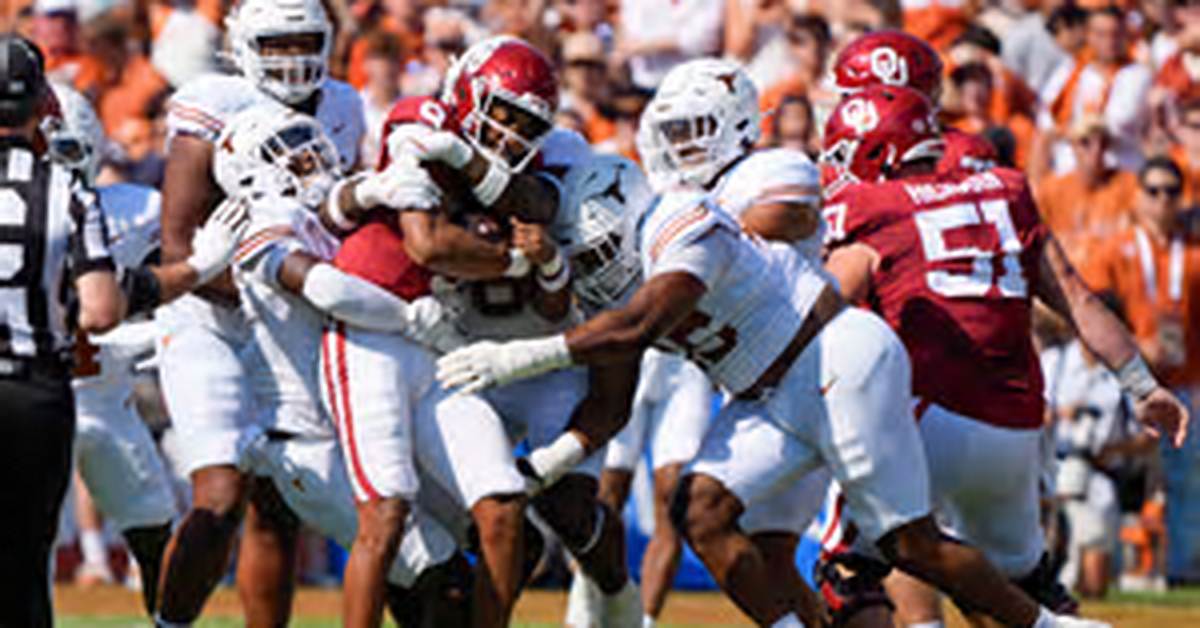
Texas OU, also known as the Red River Rivalry, is one of the most storied and celebrated rivalries in college football history. Every year, the University of Texas Longhorns and the University of Oklahoma Sooners clash in a game that not only showcases athletic talent but also the deep-rooted traditions and passionate fan bases of both schools. The excitement surrounding this matchup transcends the game itself, uniting fans and instilling a sense of pride in their respective universities. In this article, we will delve into the history, significance, and unforgettable moments of the Texas OU rivalry, highlighting why it stands out in the college football landscape.
The origins of the Texas OU rivalry date back over a century, beginning in 1900. Since then, the annual matchup has grown into a cultural phenomenon that captivates audiences nationwide. The Texas OU game is held at the Cotton Bowl in Dallas, Texas, during the Texas State Fair, adding a unique atmosphere that enhances the fan experience. As we explore the key aspects of this rivalry, we will also discuss notable players, coaches, and memorable games that have defined the Texas OU narrative.
In addition to its rich history, the Texas OU rivalry is characterized by fierce competition and high stakes. With multiple conference championships and national title implications on the line, both teams approach this game with intensity and determination. Whether you’re a die-hard fan, a casual observer, or new to college football, understanding the Texas OU rivalry is essential to appreciating the sport's history and culture.
History of the Texas OU Rivalry
The Texas OU rivalry began in 1900 when Texas and Oklahoma faced off for the first time. The game has continued annually, with few interruptions, creating a long-standing tradition that has seen both teams rise and fall in the ranks of college football.
Early Years
In the early years of the rivalry, the games were often competitive and filled with drama. The Longhorns and Sooners played in various locations until the Cotton Bowl became the permanent venue in 1932. The establishment of the Cotton Bowl as the host site solidified the game's importance and allowed it to grow into the spectacle it is today.
Modern Era
As college football evolved, so did the Texas OU rivalry. The introduction of television brought national attention to the matchup, allowing fans from coast to coast to witness the excitement and intensity of the game. With the advent of the BCS and College Football Playoff systems, the stakes have only increased, making every meeting between the two teams crucial for championship aspirations.
Significance of the Rivalry
The Texas OU rivalry is significant for several reasons, including its historical context, the intensity of the competition, and the cultural impact it has on both universities and their communities.
Historical Context
The rivalry represents more than just a football game; it embodies the deep-seated pride and tradition of both institutions. The Longhorns and Sooners have a long history of competing in various sports, but football is where the rivalry shines the brightest.
Cultural Impact
Every year, thousands of fans gather at the Texas State Fair to celebrate the game, creating a festival-like atmosphere. This event is not only about football; it’s a cultural gathering where traditions are celebrated, and lifelong memories are made.

