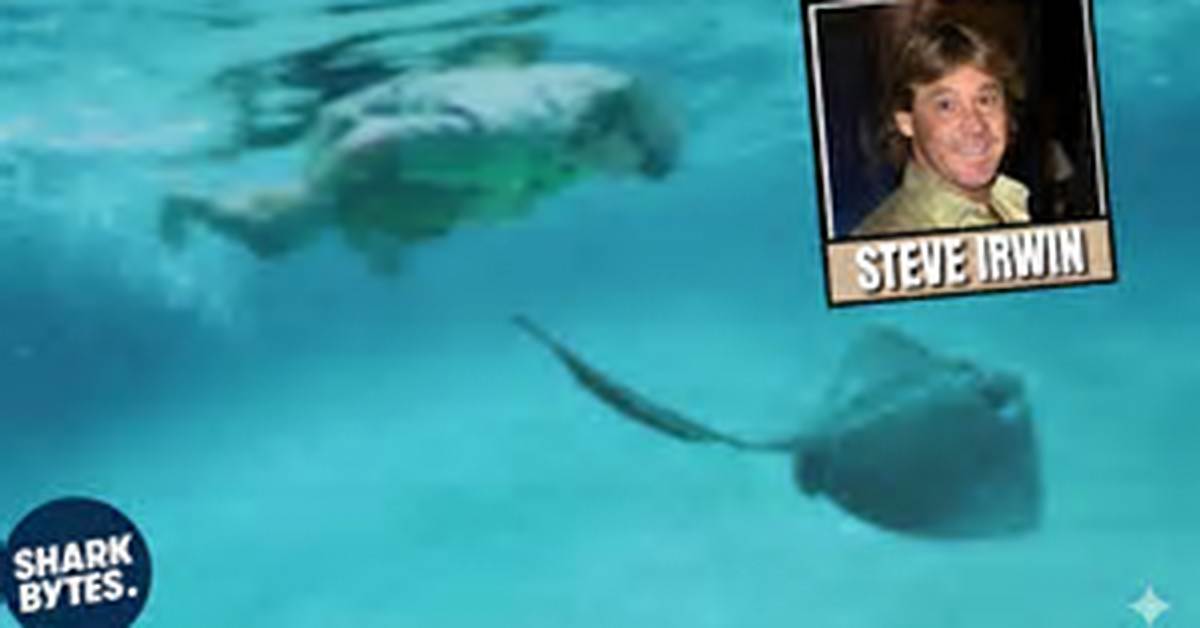
Steve Irwin, known as the "Crocodile Hunter," was a passionate wildlife expert and conservationist who captured the hearts of millions around the world. His passion for animals and dedication to wildlife conservation made him a beloved figure in the realm of animal documentaries. However, one of the most significant events in his life was his tragic encounter with a stingray, an incident that changed the course of wildlife advocacy and education. In this article, we will explore the life of Steve Irwin, his contributions to wildlife conservation, the infamous stingray incident, and the lasting impact he has left behind.
As we dive into the world of Steve Irwin, we will discuss his early life, his career as a television personality and conservationist, and the events leading up to that fateful day in September 2006. We will also look at the legacy he has left, not only for wildlife conservation but also for his family and fans worldwide. Understanding the essence of Steve Irwin is essential, as it highlights the importance of wildlife education and conservation efforts in an ever-changing world.
Finally, we'll provide insights into how Steve Irwin's work continues to inspire new generations of wildlife enthusiasts and conservationists. His story serves as a reminder of the delicate balance between humans and nature, and the vital role we play in preserving the environment for future generations. Join us as we journey through the life of Steve Irwin, focusing on his legacy and the lessons we can learn from his experiences.
Early Life of Steve Irwin
Steve Irwin was born on February 22, 1962, in Essendon, Victoria, Australia. From a young age, he displayed a profound love for animals. His parents, Lyn and Bob Irwin, owned and operated the Queensland Reptile and Fauna Park, which laid the foundation for Steve's lifelong passion for wildlife. Growing up surrounded by reptiles and wildlife, he developed a unique bond with nature that would later define his career.
Irwin's childhood was filled with adventures in the Australian bush, where he learned about various species and their habitats. He was known for his fearless attitude, often handling snakes and crocodiles at an early age. This upbringing instilled in him a sense of responsibility towards protecting wildlife and their natural environments.
Early Education and Training
After finishing school, Steve took on various roles that allowed him to further his knowledge and skills in wildlife management. He worked as a volunteer for the Australian wildlife rehabilitation organization, where he learned the importance of conservation efforts. His experiences during this time shaped his future endeavors as a wildlife advocate.
Career and Contributions to Conservation
Steve Irwin's career took off in the 1990s when he began appearing on television with his show, "The Crocodile Hunter." The show showcased Steve's charismatic personality and his daring encounters with some of the world's most dangerous animals. His enthusiasm and respect for wildlife captivated audiences, making him a household name.
Establishment of Australia Zoo
In 1992, Steve and his family expanded their efforts by establishing Australia Zoo in Queensland, which became a sanctuary for various animals and a center for conservation education. Through Australia Zoo, Steve aimed to promote wildlife conservation and educate the public about the importance of protecting endangered species.
Conservation Initiatives
Throughout his career, Steve Irwin supported numerous conservation initiatives, including:
- Funding for wildlife rescue operations
- Establishing wildlife sanctuaries
- Promoting awareness about endangered species
- Creating educational programs for schools

