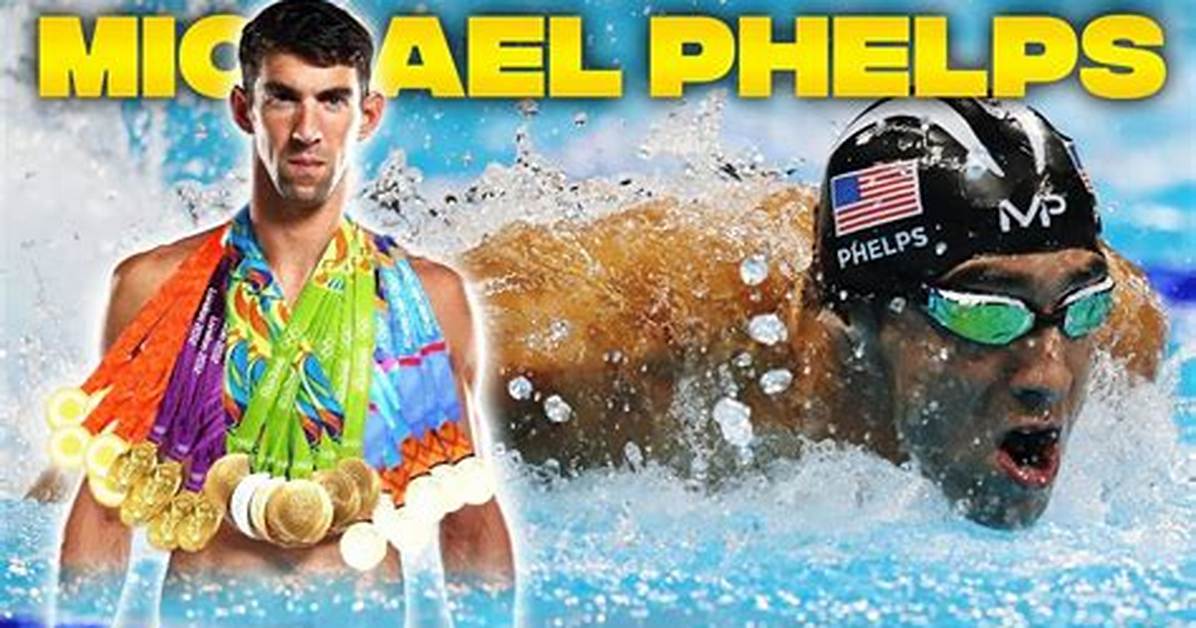
Michael Phelps, the most decorated Olympian in history, has been a figure of admiration and controversy throughout his career. While his incredible achievements in the swimming pool have earned him accolades and a legendary status, various rumors and allegations have swirled around him, questioning the integrity of his victories. The question, "Did Michael Phelps cheat?" has been a topic of discussion among fans, critics, and analysts alike. This article seeks to explore the various facets of this debate, shedding light on Phelps' career, the allegations against him, and ultimately, the truth behind the claims of cheating.
As an athlete who has broken more records than any other in Olympic history, Phelps has faced scrutiny like few others. The pressures of competition at such a high level often lead to speculation and doubt, especially when it comes to extraordinary performances. In this article, we will delve into the life and career of Michael Phelps, examining the allegations of cheating, the responses from Phelps himself, and the broader implications for the world of competitive sports.
Finally, we will consider the influence of media and public perception on Phelps' legacy. With numerous events and controversies surrounding his name, it is essential to differentiate between fact and fiction. So, let’s embark on this journey to uncover the truth behind the question—did Michael Phelps cheat?
What is Michael Phelps' Biography?
Born on June 30, 1985, in Baltimore, Maryland, Michael Phelps discovered his passion for swimming at a young age. His mother, Debbie Phelps, encouraged him to take swimming lessons after he was diagnosed with ADHD, believing the sport would help him channel his energy. By the age of 15, he became the youngest male swimmer to compete in the Olympics since 1932. Over the next 16 years, Phelps would go on to break numerous world records and win an astounding 28 Olympic medals.
| Personal Details | Bio Data |
|---|---|
| Full Name | Michael Fred Phelps II |
| Date of Birth | June 30, 1985 |
| Place of Birth | Baltimore, Maryland, USA |
| Height | 6 ft 4 in (1.93 m) |
| Weight | 194 lbs (88 kg) |
| Sport | Swimming |
| Olympic Medals | 28 (23 Gold, 3 Silver, 2 Bronze) |
What Allegations Have Been Made Against Michael Phelps?
Throughout his career, Phelps has faced various allegations that question the authenticity of his performance. Some of the most notable accusations include discussions around the use of performance-enhancing drugs (PEDs) and accusations of unfair advantages during competitions. These allegations have fueled speculation about whether Phelps cheated to achieve his remarkable success.
Did Michael Phelps Ever Test Positive for Drugs?
No, Michael Phelps has never tested positive for performance-enhancing drugs during his career. The United States Anti-Doping Agency (USADA) and the International Olympic Committee (IOC) have conducted numerous drug tests on him before and after competitions. Despite the rigorous testing, there has been no evidence to substantiate claims of drug use, which has led many to defend his legacy.
What About the 2008 Beijing Olympics?
The 2008 Beijing Olympics were a watershed moment for Phelps, where he won an unprecedented eight gold medals. However, some critics argue that the superior technology of his swimsuits contributed to his success. While advancements in swimwear have been a topic of discussion in competitive swimming, these suits were approved for use by international swimming authorities, and Phelps complied with all regulations.
Did the Swimsuits Give an Unfair Advantage?
- The bodysuits used in the 2008 Olympics were designed to reduce drag, improve buoyancy, and enhance performance.
- While many swimmers wore these suits, Phelps' remarkable technique and training set him apart.
- The suits were later banned due to concerns about fairness, but Phelps had already made history.

